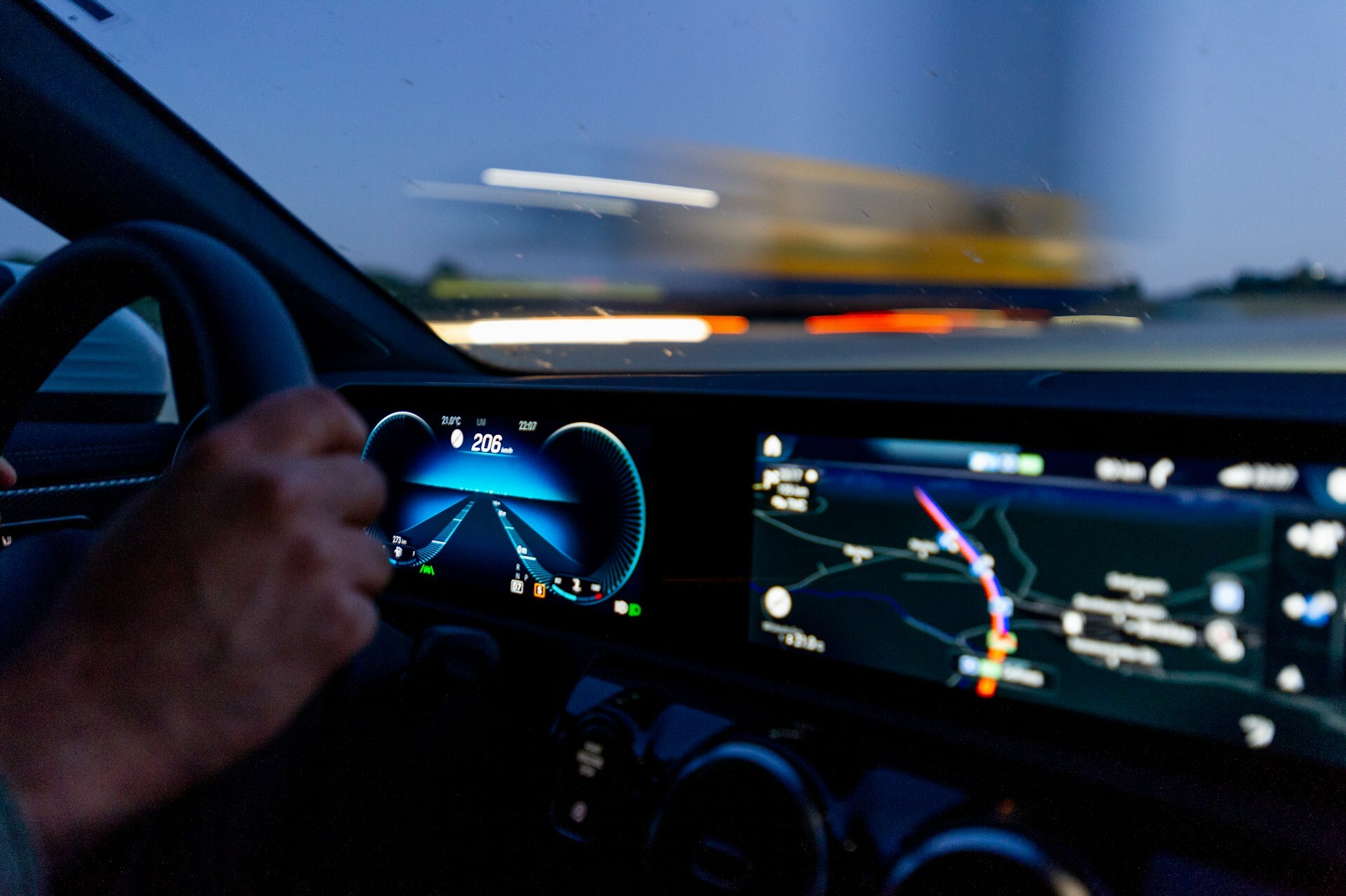
The cost of telematics hardware can reach six figures over three years for 100-vehicle fleets. Standard Fleet's hardware-free fleet management software connects most vehicles through the automaker's built-in systems, so there is no device to buy and no technician to schedule.
- No device to buy or install for most vehicles
- Fewer installs, less downtime, faster onboarding
- One platform across your whole fleet, whether a vehicle connects natively or not
Hardware-based fleet management adds costs at every turn. Between equipment purchases, installation labor, vehicle downtime, and monthly service fees, traditional telematics significantly impacts operating budgets. Along with logistical blind spots, the cost breakdown for hardware telematics takes a hard-to-unsee chunk out of your bottom line.
Standard Fleet’s hardware-free fleet management connects to most vehicles through the automaker’s built-in systems, with no device to buy and no technician to schedule.
Most fleet managers compare per-vehicle monthly rates and stop there. But the monthly rate is the last cost you pay, not the first. With hardware-based telematics, two line items land before the subscription ever starts, and they usually dwarf it in year one.
Legacy telematics providers ship a physical device for every vehicle in your fleet. What you pay depends on what the device does.
At SMB fleet scale, that is a five-figure hardware bill before a single key turns. Some vendors bundle the device into the monthly fee, which sounds like a discount and is not. The hardware did not get cheaper. It got financed into a 36-month contract you have to run out to earn the device back.
Some hardware, like OBD-II dongles, is self-installed. Anything hardwired, which covers most serious fleet telematics, needs a certified technician at every vehicle.
Across a hundred vehicles, install labor becomes a second five-figure line item, on top of the devices. The downtime does not show up on an invoice at all, which is exactly why it gets missed.
Add it up and a 100-vehicle fleet on mid-range hardware is carrying three costs at once: devices, installs, and the platform subscription, with a contract term long enough to make sure you pay for all of it. Hardware-free fleet management for modern connected vehicles removes the first two for most makes and models. Standard Fleet is a software subscription with no device cost for most vehicles, which means fewer installs and less downtime.
Software-based fleet management has distinct budget advantages. Native telematics data is simultaneously getting more sophisticated and cheaper as automakers invest in connected-vehicle platforms. The data that previously required an aftermarket box (GPS, OBD-II diagnostics, odometer, fuel level, battery state of charge) now streams directly from the vehicle's factory-installed modem for most vehicles. Standard Fleet connects to these vehicles over the air via APIs, pulling the same data without touching the vehicle.
Most real-world fleets are mixed, with gas and electric vehicles from a range of automakers. With hardware-based telematics, the entire range either requires a single device that works for every vehicle or multiple hardware configurations (each at different prices). Standard Fleet’s hardware-free approach supports multi-make fleets from a unified platform, as integration happens at the software layer.
Not every vehicle can connect through software, some still require hardware in order to stream data. Standard Fleet supports those vehicles on the same platform, so you are installing hardware on part of your fleet rather than all of it.
The logistics of hardware installation create an operational bottleneck that keeps revenue-generating vehicles off the road. Coordinating installation for every new vehicle, hardwire maintenance, and decommissioned vehicles requires physical access and scheduling. Onboarding a full fleet with Standard Fleet takes less than a week through a remote, simple process that involves uploading VINs and connecting your accounts.
Not every vehicle can connect through software, some still require hardware in order to stream data. Standard Fleet supports those vehicles on the same platform, so you are installing hardware on part of your fleet rather than all of it.
Hardware telematics made sense when it was the only way to gather data from a vehicle. Now that modern vehicles feature built-in factory connectivity, aftermarket devices are an unnecessary expense. Most of your fleet can connect through software alone, so you get one view of the entire fleet with a fraction of the installation work.
Evaluating your next telematics decision? See how software-based fleet management accelerates growth by sending your vin list in.