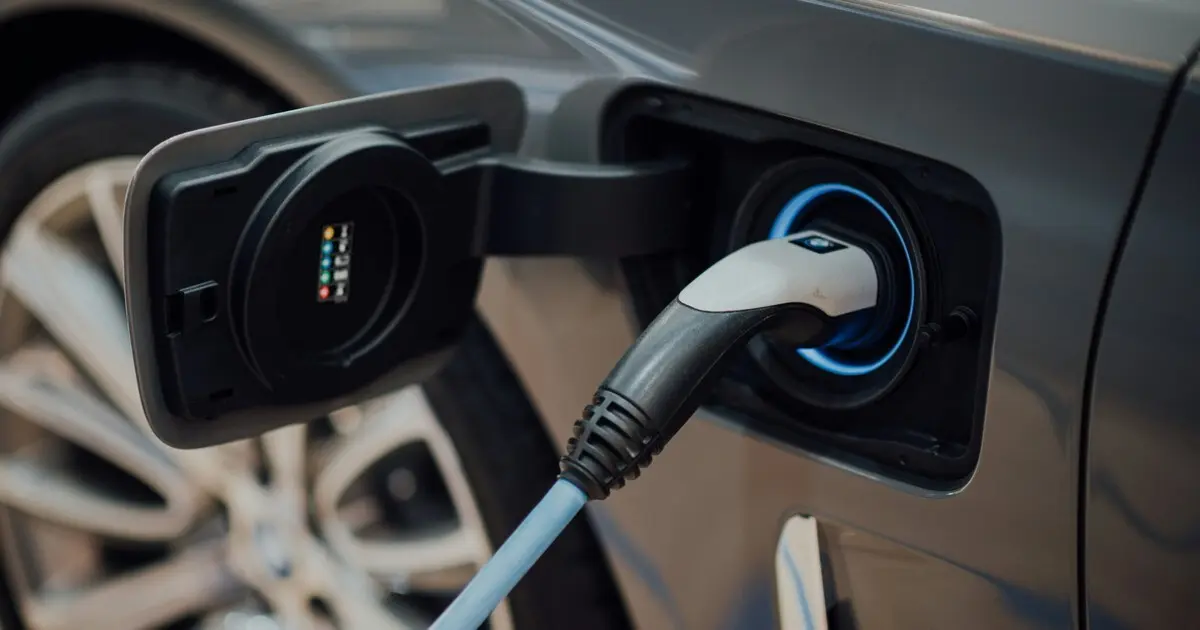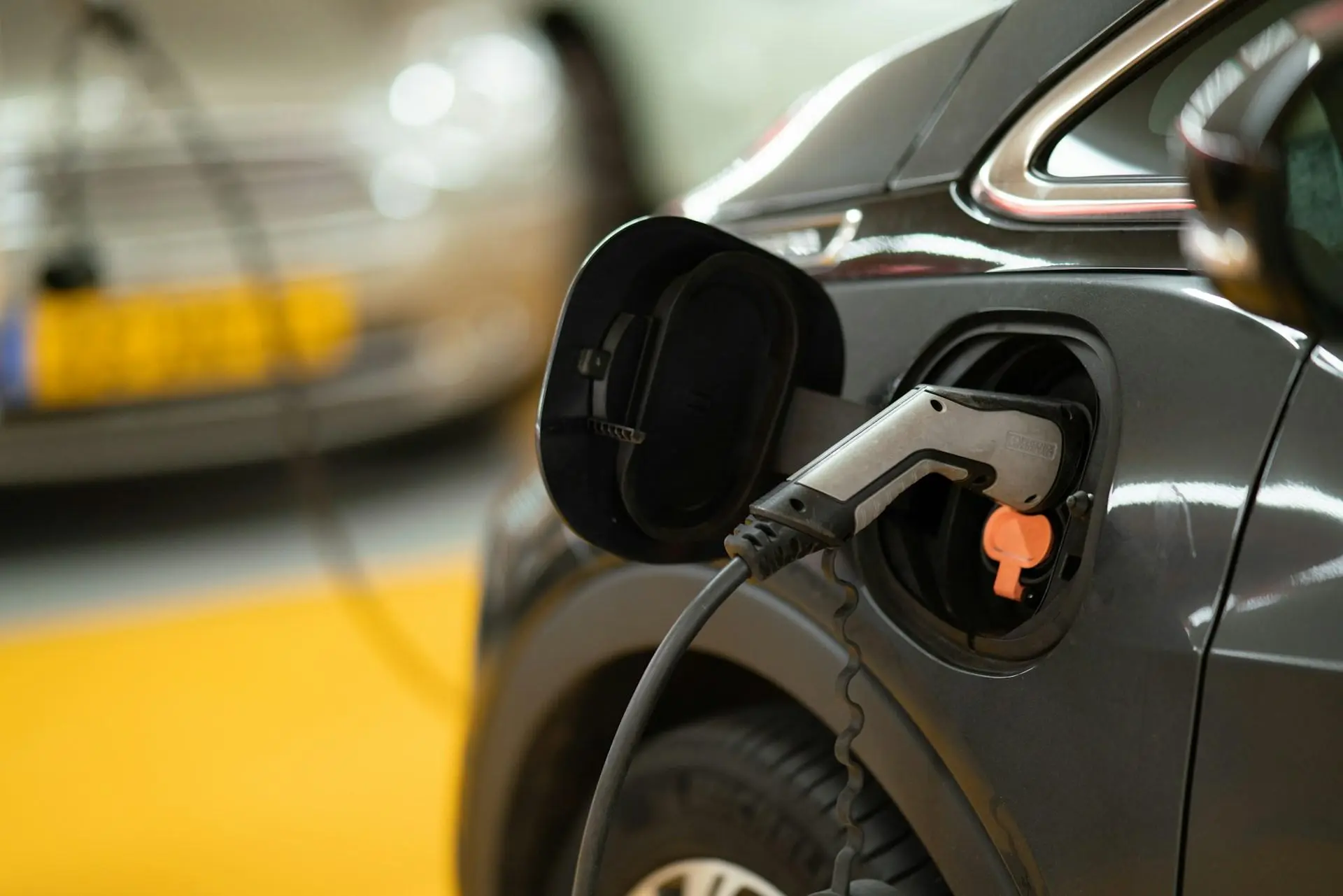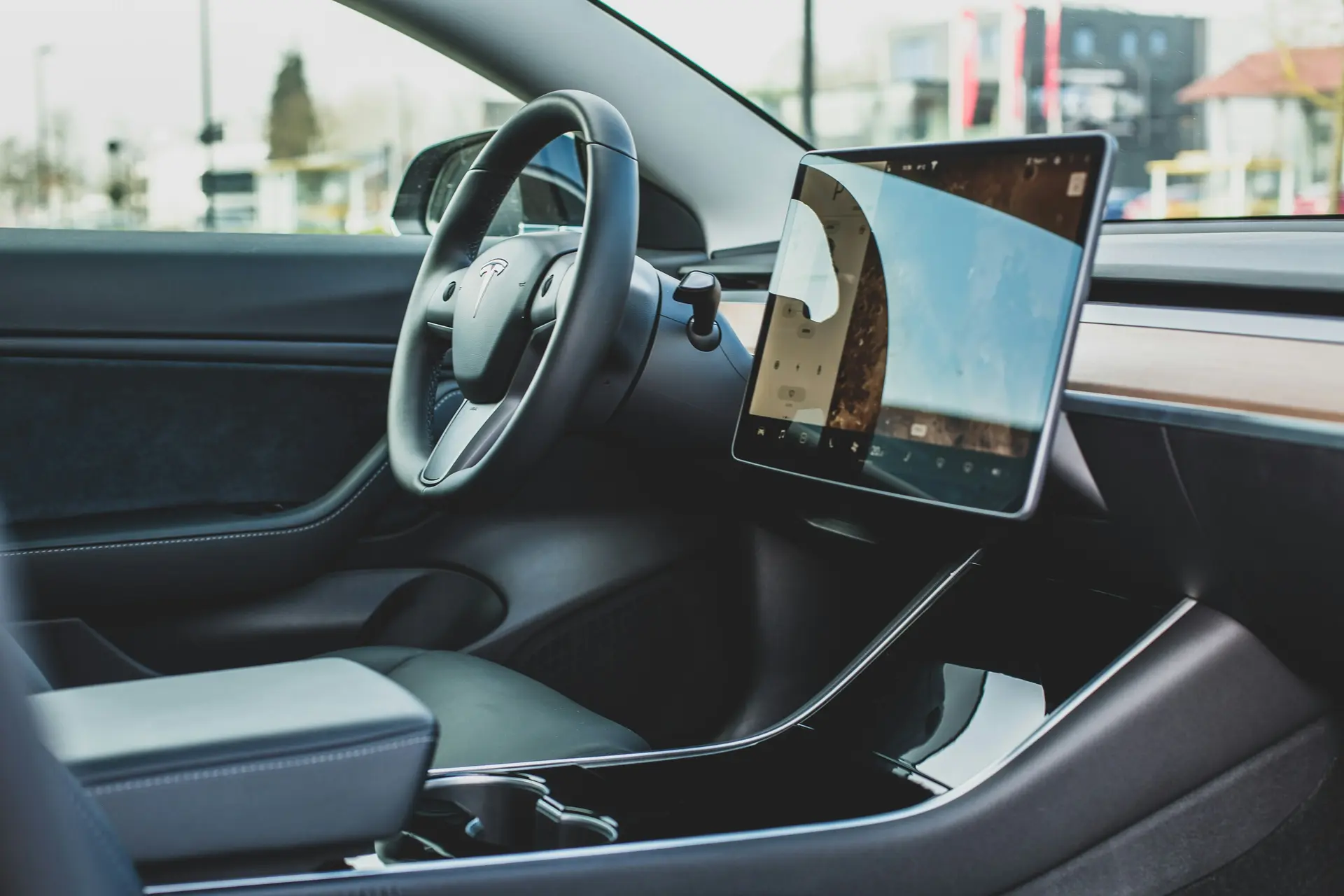
Lockboxes are no longer allowed for Turo pickups at the LAX Budget Lot, and Phoenix Sky Harbor (PHX) bans visible lockboxes starting November 15, 2026. Turo is steering airport hosts toward remote unlock instead, through the automaker's app or a third-party tool.
- LAX Budget Lot: no lockboxes, remote unlock still allowed
- PHX: no visible lockboxes from November 15, hidden ones still allowed for now
- Turo still requires a key in the car, kept in a signal-blocking pouch
If you host on Turo at an airport, the lockbox on your window or bumper may be about to cost you trips. Turo airport lockbox rules are tightening at two of the busiest locations, and hosts who don't adapt can face airport suspensions and violation fees. Here's what changed, what's still allowed, and how to switch to remote unlock without slowing down your handoffs.
Lockboxes are out at the LAX Budget Lot, and visible ones are out at PHX from November 15.
- LAX: Turo's host guide says lockboxes are no longer permitted at the LAX Budget Lot. Remote unlock is still allowed there.
- Phoenix Sky Harbor (PHX): Starting November 15, 2026, lockboxes that can be seen from outside the car, including window-mounted ones, are no longer allowed for Turo handoffs. Boxes kept out of sight, such as behind the license plate, on a tow hitch or under the bumper, are still allowed for now.
- Everywhere else: Rules vary by airport. Check Turo's page for your airport regularly, not once.
Turo says hosts who break airport rules can face an airport suspension, violation fees, or both. If most of your trips start at one airport, that's a risk you can't carry.
A visible lockbox tells a thief exactly which car has a key nearby. Airport lots are full of them.
Theft around airports is a live problem. Near Phoenix Sky Harbor, Arizona's Family counted more than 70 mostly luxury vehicles stolen from three nearby garages over the past year. In one case in September, six cars were taken from a secured private lot.
Whatever each airport's exact reasoning, the direction is clear: fewer keys sitting outside cars, and more access controlled from a phone.
Remote unlock lets your guest get into the car without a key exchange. You lock and unlock the car from an app, and you message the guest through Turo when it's time.
Turo allows two routes:
- Your automaker's app. Turo notes that most cars released after 2015 can lock and unlock remotely through the manufacturer's app.
- A third-party tool. Options range from plug-in devices to software that connects to the car's built-in systems.
Two rules still apply. Turo requires you to give the guest a key, even when they unlock the car remotely. And if the key is a fob, Turo says to keep it in a signal-blocking (Faraday) pouch inside the car, such as in the glove box, a visor pouch or the center console.
For one car, the automaker's app works fine. For 10 or 30 cars across several brands, it gets messy fast.
- One app per brand. A mixed fleet means a separate login for each automaker and a separate place to check each car.
- Shared logins. When a co-host or cleaner needs access, the easy fix is sharing your account password, which leaves no record of who unlocked what.
- No end time. An app unlock is a one-off action. Nothing closes access when the trip ends or a payment fails.
- Install delays. Hardware tools mean buying a device for every car, booking an installer and taking cars off the road while it happens.
This is the gap Standard Fleet fills. We connect directly through each vehicle's built-in OEM system, so there's nothing to mount or wire and no downtime. We support 30+ automakers, and on supported vehicles you get remote lock and unlock, live location, trip history and anti-theft mode in one dashboard. Digital key access can be revoked automatically at the end of the rental period or when a payment is outstanding. It works on electric, hybrid and gas cars, and it deploys in days.
If you're also weighing full contactless car rental software for keys, access and payments, the same connection covers all three.
- Leaving a fob loose in the car. Turo calls for a signal-blocking pouch. An unshielded fob makes the car easier to steal.
- Treating a hidden lockbox as a long-term fix. PHX still allows them, but LAX shows how quickly an airport can go further.
- Sending a lockbox code early. Turo says to share codes only after the guest's ID is verified, never in a scheduled message, and to change the code after every trip.
- Assuming every car supports remote unlock. Support varies by make, model and year. Check vehicle compatibility before you list a car for airport pickup.
Not at the LAX Budget Lot. Turo's host guide says lockboxes are no longer permitted there. Remote unlock is still allowed.
For now, yes. From November 15, 2026, PHX bans lockboxes that are visible from outside the car, including window mounts. Boxes kept out of sight, like behind the plate, on the hitch or under the bumper, are still allowed. Check Turo's PHX host page before each trip, since airport rules change.
Yes. Turo requires hosts to give guests a key even with remote access. Keep a fob in a signal-blocking pouch inside the car.
Both. Remote lock and unlock comes from the car's factory systems, not its drivetrain, and Turo notes that most cars released after 2015 have a way to do it. Support varies by make and model, so check your VINs.
Yes. Standard Fleet connects through each car's built-in OEM system across 30+ automakers, so you can lock, unlock and track supported vehicles from one dashboard instead of one app per brand.
Airport rules will keep shifting, but they're moving in one direction: away from keys left outside cars and toward access you control from your phone. If you host at LAX, PHX or any airport, now is the time to find out which of your cars can go keyless without hardware. See how Standard Fleet works for Turo fleet management, then book a call and we'll run a VIN check on your fleet.