Pharmaceutical fleet management now runs on data. Pharma companies were early to move their field sales fleets to EVs, and the harder part comes next: proving the emissions cut, paying reps back fairly for home charging and keeping mileage honest, all for cars parked at reps' homes across the country. That takes data from every vehicle, and the most reliable source is the car itself.
- Company cars count toward Scope 1 and 2, and California now requires large companies to report both
- Plug-in devices don't fit many EVs, or cars your reps own
- Built-in automaker connectivity reports miles, charging and battery data with no install
Running a pharma field fleet used to mean safe drivers, clean lease returns and keeping reps on the road. Now it also sits inside your company's climate targets, because every company car your reps drive counts toward your emissions. Pharma was early to electrify. AstraZeneca, the first pharmaceutical company to join the Climate Group's EV100, has electrified more than 80% of its vehicles. Genentech had moved 34% of its sales fleet to EVs or plug-in hybrids by 2023.
But a rising EV share is the easy number. Showing what the fleet actually emits, reimbursing the power reps use at home and keeping lease mileage in check all need data from every car. Here's what to track, and why that data should come from the vehicle instead of a device.
Because your fleet is spread out and your targets are measured. For a large pharma company, the field fleet is thousands of take-home cars parked in reps' driveways across every territory. Without data from each vehicle, emissions, reimbursements and mileage all get estimated from fuel cards, expense reports and lease statements.
That gap matters more every year:
- Reporting is now required. California's SB 253 requires companies with more than $1 billion in annual revenue that do business in the state to report Scope 1 and 2 emissions. On November 9, 2026, a federal appeals court declined to block those requirements.
- Targets are getting steeper. Companies with 1.5°C science-based targets commit to cutting Scope 1 and 2 emissions by at least 4.2% a year.
- Estimates don't hold up. The GHG Protocol's own guidance calls fuel-based calculations more accurate than distance-based ones, and spend-based estimates highly uncertain.
- Energy and fuel per car. Gallons for gas and hybrid cars, kWh for EVs, by vehicle and by driver. This is the raw input for your Scope 1 and 2 numbers.
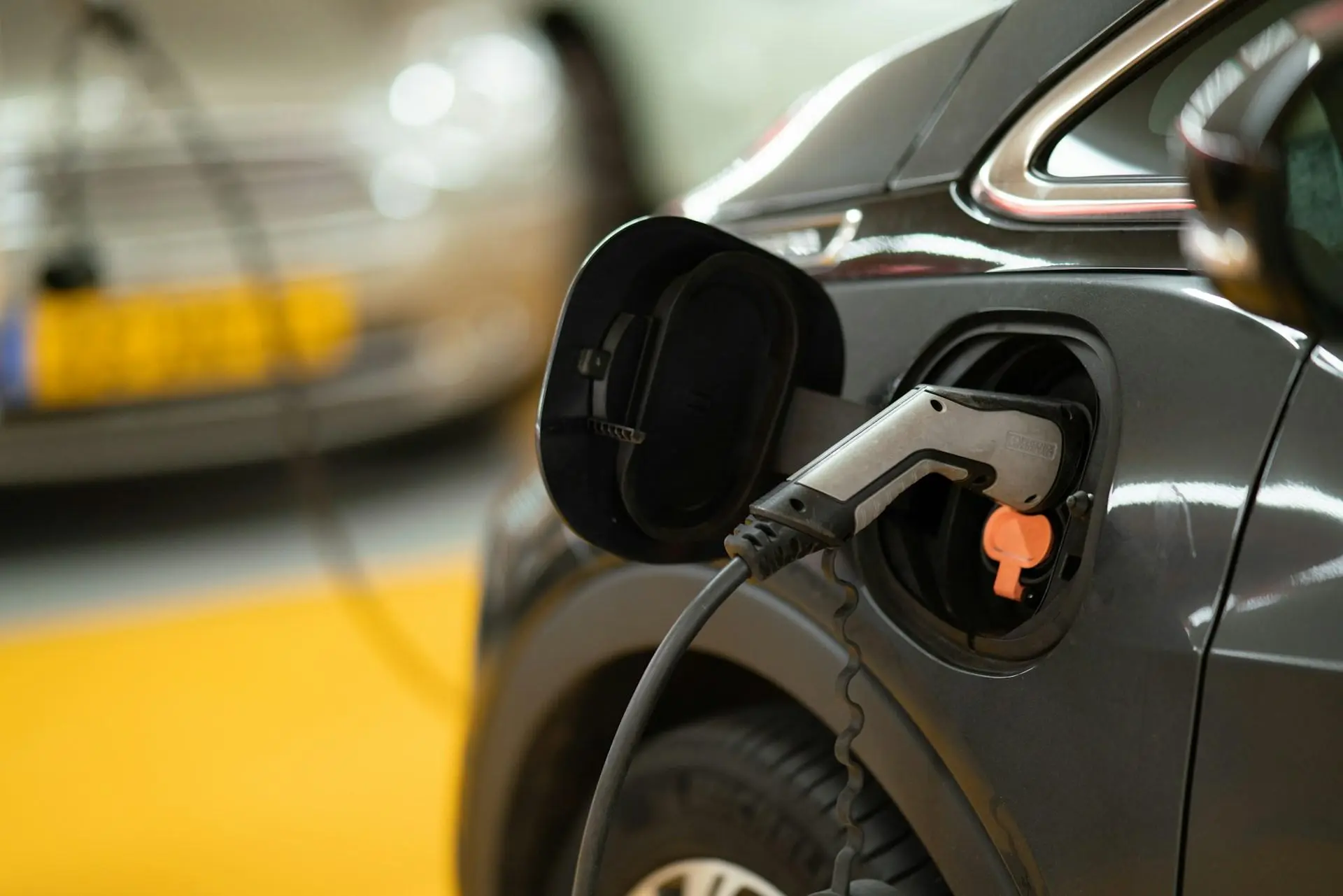
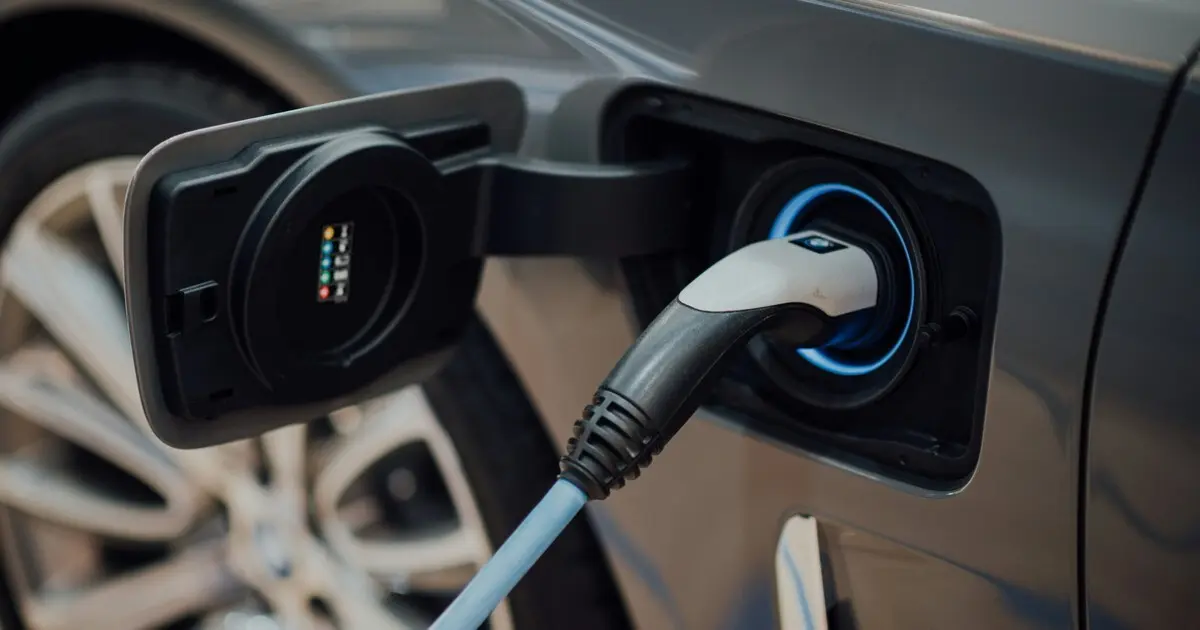
- Home charging. Reps on take-home EVs charge in their own garages. A flat monthly stipend is simple to run, but it isn't tied to the power each car actually used, and it can be taxed as income. A Fleet Forward panel on home charging put it plainly: a program must be "hyper-data focused."
- Personal use. Reps take cars home and use them on weekends, and personal use of a company car is a taxable benefit. Yet 41% of corporate fleets never reconcile personal use with drivers, according to Automotive Fleet's 2024 survey.
- Odometer and lease mileage. Live odometer readings show which cars are running ahead of their lease mileage before turn-in, not after.
- Vehicle health and driving. Maintenance alerts, battery health and speeding patterns, so a car or a habit gets fixed before it turns into a claim.
Your field fleet touches three parts of your emissions inventory:
- Scope 1: fuel burned in company-owned or leased gas and hybrid cars.
- Scope 2: electricity for company EVs. The GHG Protocol puts electricity for EVs a company owns or controls in Scope 2, and home charging of those cars is commonly treated the same way.
- Scope 3, category 6: business miles driven in cars your reps own, including allowance programs like FAVR.
Each one needs miles and energy per vehicle. Spend data tells you what you paid. It doesn't tell you what each car used, and that gap gets harder to defend once third-party assurance applies.
For a pharma field fleet, a device program breaks in four places:
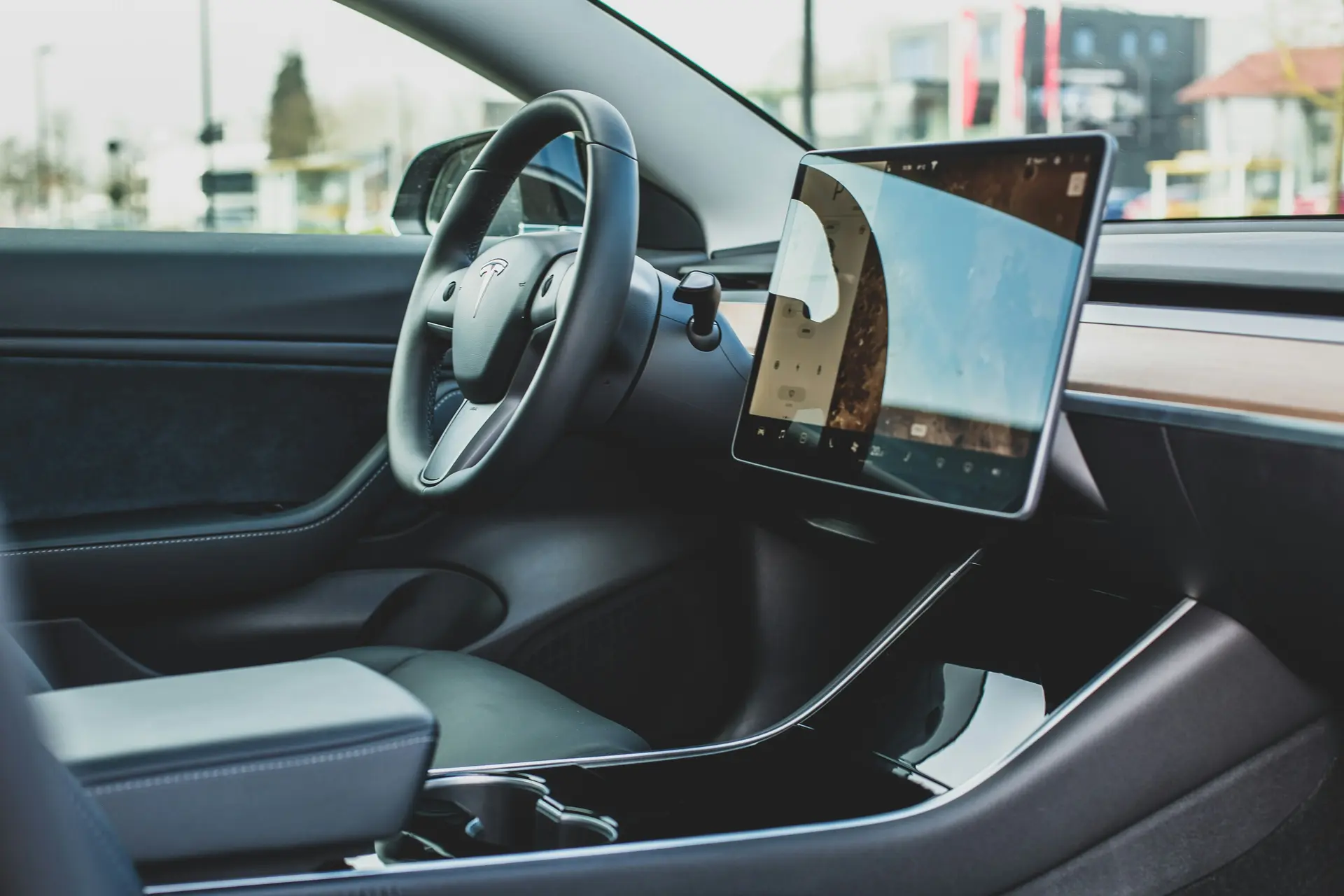
- Many EVs don't take plug-in devices. Tesla's service manual notes that some Model 3 and Model Y cars may not have an OBD connector installed, because one wasn't mandatory on EVs until 2024.
- The car already reports what you need. Automakers share this data directly. Tesla's Fleet API, for example, reports state of charge, odometer and the kWh added in each charging session.
- Devices can't go in reps' own cars. If part of your fleet runs on an allowance program, there's no install path for those vehicles. An automaker connection works with the driver's permission.
- Installs don't scale across territories. Putting hardware in thousands of cars means technician visits in every territory and on every rep's calendar. Every month spent installing is another month of emissions you're still estimating. We broke down the cost side of hardware separately.
Standard Fleet connects directly through each vehicle's built-in OEM system, so there's nothing to mount, wire or schedule. We support 30+ automakers and every drivetrain, electric, hybrid and gas, so your EVs and the rest of your fleet sit in one view. Most fleets deploy in days.
On supported vehicles, you get:
- Live telemetry and trip history by vehicle and driver
- Odometer, battery health, and service and maintenance alerts
- Charging reimbursements
- Custom reports and automations for geofences, odometer and speed limits
- Digital key access, so a car can move from one rep to the next without a key handoff
Standard Fleet was also the first official fleet management platform for Tesla vehicles, as Teslarati reported, and it works alongside the fleet management company and lease program you already run.
- Treating EV share as the finish line. A fleet can be mostly electric and still have no energy number per car to report.
- Paying home charging with a flat stipend. It's easy to run, but it doesn't match what each car used and can be taxed as income.
- Leaving rep-owned cars out. Allowance programs move those miles into Scope 3. They don't take them off the books.
- Waiting on an install program to start measuring. Your baseline year won't wait for a technician schedule.
- Reporting spend as if it were usage. Fuel card totals and expense reports are estimates, not activity data.
Usually Scope 2. The GHG Protocol puts electricity for EVs a company owns or controls in Scope 2, and home charging of those cars is commonly treated the same way. Confirm the treatment with your auditor, since guidance on home charging is still evolving.
If your company has more than $1 billion in annual revenue and does business in California, yes. Company vehicles are part of the Scope 1 and 2 emissions it requires you to report, and the first reporting deadline was November 10, 2026.
Not reliably. Tesla's service manual says some Model 3 and Model Y cars may not have an OBD connector, since one wasn't required on EVs until 2024. Connecting through Tesla's own systems avoids the problem.
Yes, for cars that support automaker connectivity. They connect through the automaker with the driver's permission, so no device ever goes into a personal car.
Days, not months. You share your VINs, the automaker accounts get connected, and data starts coming in with no technician visits. Check vehicle compatibility to see which of your cars are supported.
Your EV progress is public. The data behind it shouldn't be a spreadsheet of estimates. If your field fleet runs EVs, hybrids or a mix of both, book a call and we'll show you what your cars already report, with no device and no install.