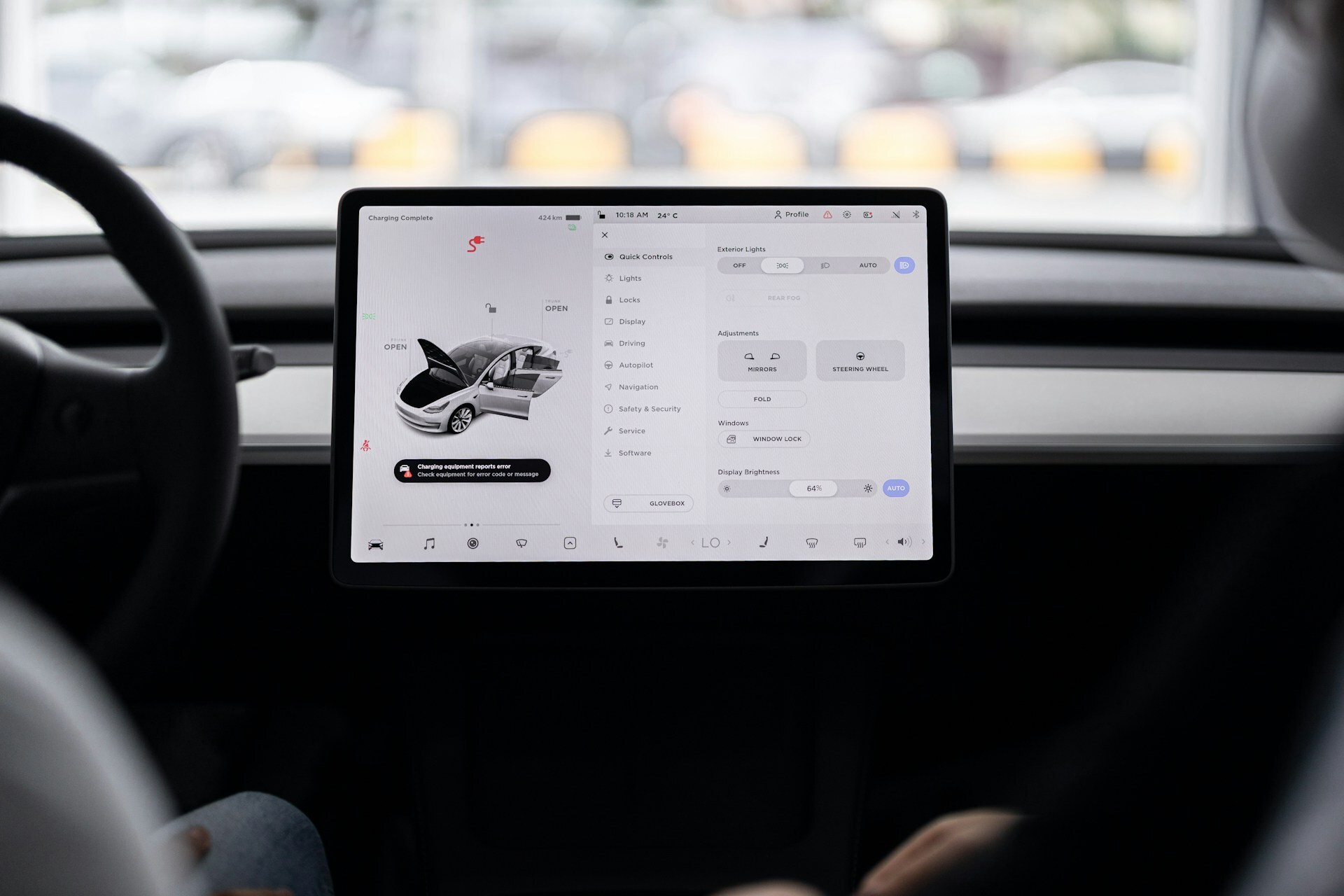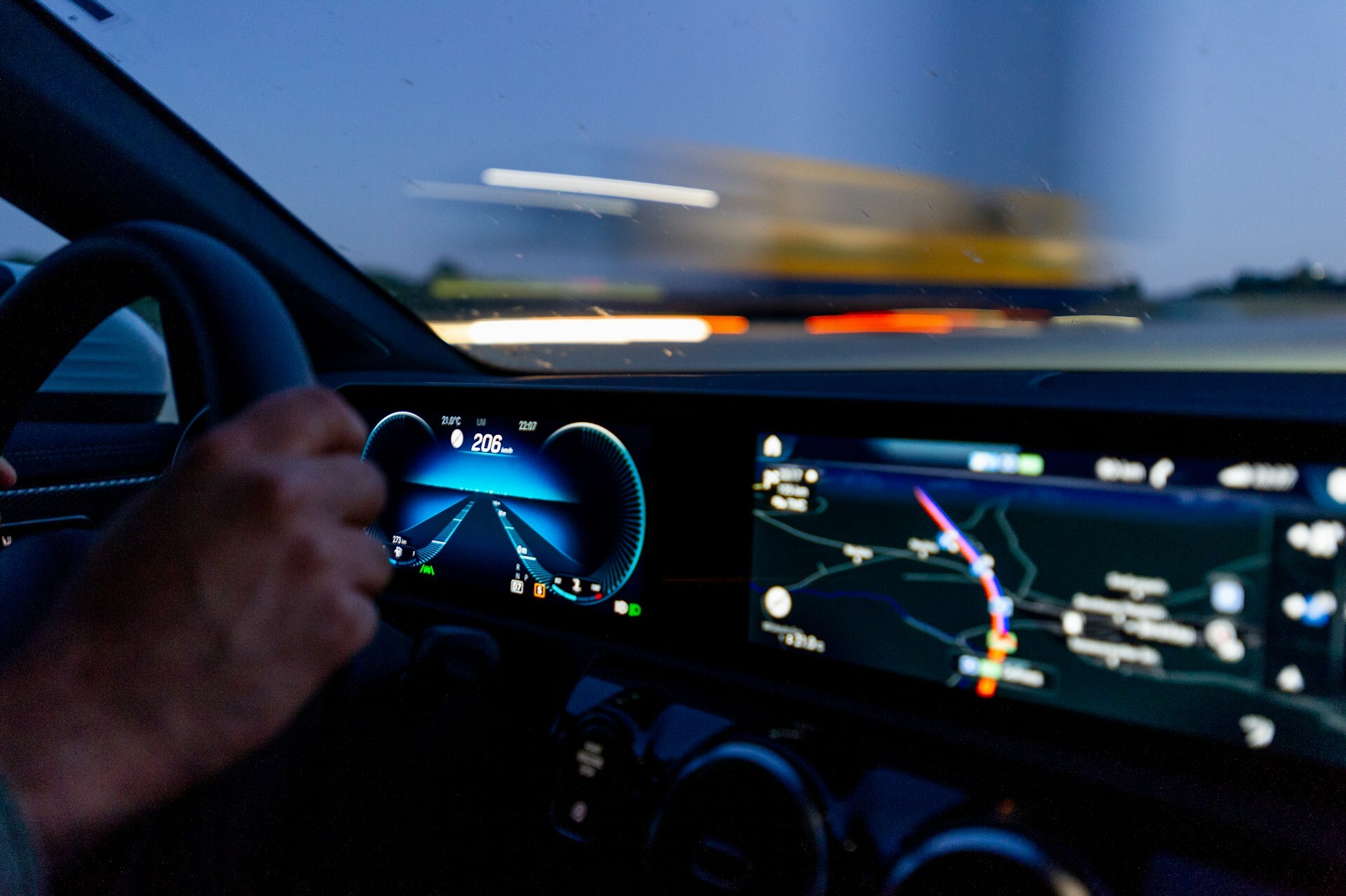
TL;DR
OEM-native vehicle GPS tracking pulls location data straight from the modem your vehicle is shipped with. On supported vehicles, you get live location, trip history, and geofence automations with no dongle to install and no service bay to book.
- Bypass dongles and service downtime
- Run every drivetrain in one dashboard: gas, hybrid, and electric
- Trigger geofence alerts, trip and odometer reports, and anti-theft mode from the same source
Your vehicles already know where they are. Every car built in the last several years ships with a modem and built-in GPS, and it's reporting to the automaker whether you use it or not. That's the part most fleets pay twice for. You buy a dongle, wait for it to ship, pull the vehicle off the road to install it, then do it again with a different device for a different brand.
Fleet vehicle GPS tracking through the OEM connection skips all of that. Standard Fleet connects to the vehicle's own systems through secure APIs, so on supported vehicles you get live location, geofence alerts, and trip logs without touching the vehicle.
You send us a VIN list. We connect to those vehicles through the automaker's system, and data starts flowing in days. Nothing gets mounted, wired, or shipped.
Compare that to a hardware rollout: order devices, wait on freight, schedule each vehicle into a bay, install, verify, and repeat every time you add a brand. A vehicle in a service bay isn't earning. Skipping the install means your fleet stays on the road while it comes online.
Some older vehicles aren't compatible. For those, we'll tell you up front and offer a device that reports into the same dashboard. Send your VIN list to check for compatibility.
You stop managing multiple vendors for hardware and installations. You stop pulling vehicles off the road to install hardware or software updates. When you need to add ten cars, you submit ten VINs instead of procuring and installing 10 devices.
Yes. The vehicle's factory modem is the same hardware the automaker uses for its own connected services, so the location data is already there and transmitting. We read it through the API rather than adding a second device to the chain.
In practice, you get a live location on a map, trip start and end data, mileage, and automations for geofences, speed, and odometer thresholds.
Nothing changes except what you had to install. When a vehicle starts moving, the trip and its mileage log are automatically recorded. Draw a geofence around a lot, a depot, or a customer site, and you get a notification when a vehicle crosses it.
Traditional GPS hardware treats vehicle location as a passive dot on the map. Standard Fleet’s telematics integrates directly with your operational workflows, enabling automatic enforcement of vehicle immobilization, geofencing compliance, and automatic billing.
Yes. We support 30+ automakers across every drivetrain, so a gas van, a hybrid sedan, and an electric pickup all report into the same dashboard. No separate portal per brand, no spreadsheet stitching it together.
For older vehicles that fall outside OEM support, we can offer a device that feeds into the same dashboard, so you're not running two systems.
From deviceless GPS tracking for company vehicles to hardware-free telematics for rental fleets, a software-first approach centralizes operations, replacing legacy systems with a scalable, data-driven architecture. As fleets adapt and scale, shifting to cloud-based data enables more responsive asset management and deeper integration with enterprise workflows.
The modern way to track a vehicle by GPS is with software-based telematics. See how Standard Fleet’s API-driven platform supports full-scale fleet operations.